



Can Intentional Parenting Prevent Adult Loneliness?
What a 20-Year Study Found

By Dr. Jason Selk
The irony is striking.
While millions of parents today struggle with their own feelings of isolation and exhaustion, groundbreaking research suggests that the parenting choices they make now could be the key to preventing their children from experiencing loneliness decades later.
A comprehensive 20-year longitudinal study has revealed compelling evidence that certain parenting approaches during childhood and adolescence significantly reduce the likelihood of adult loneliness. Understanding how parenting exhaustion changes at different stages helps families maintain the emotional availability that builds these lasting connections.
A groundbreaking study published in JAMA Pediatrics followed over 7,000 participants from middle school through their 30s and 40s, tracking how family connection during teenage years influenced adult social well-being. The findings are striking: high social connection in adulthood was more than twice as common among those who had the strongest family ties in youth, compared with those who had the weakest.
Researchers followed participants from their teenage years into their thirties and forties, tracking how different parenting styles influenced their ability to form meaningful relationships and maintain social connections throughout adulthood. The results offer hope for parents wondering if their daily efforts truly matter in the long run.
The study found dramatic differences based on family connection levels. Among adolescents in the lowest quartile of family connection, only 16.1% achieved high social connection in adulthood. This jumped to 22% in the second quartile, 28.6% in the third quartile, and a remarkable 39.5% in the highest quartile of family connection. In other words, teens with the strongest family bonds were more than twice as likely to have rich social networks as adults.
Understanding the 20-Year Research Foundation
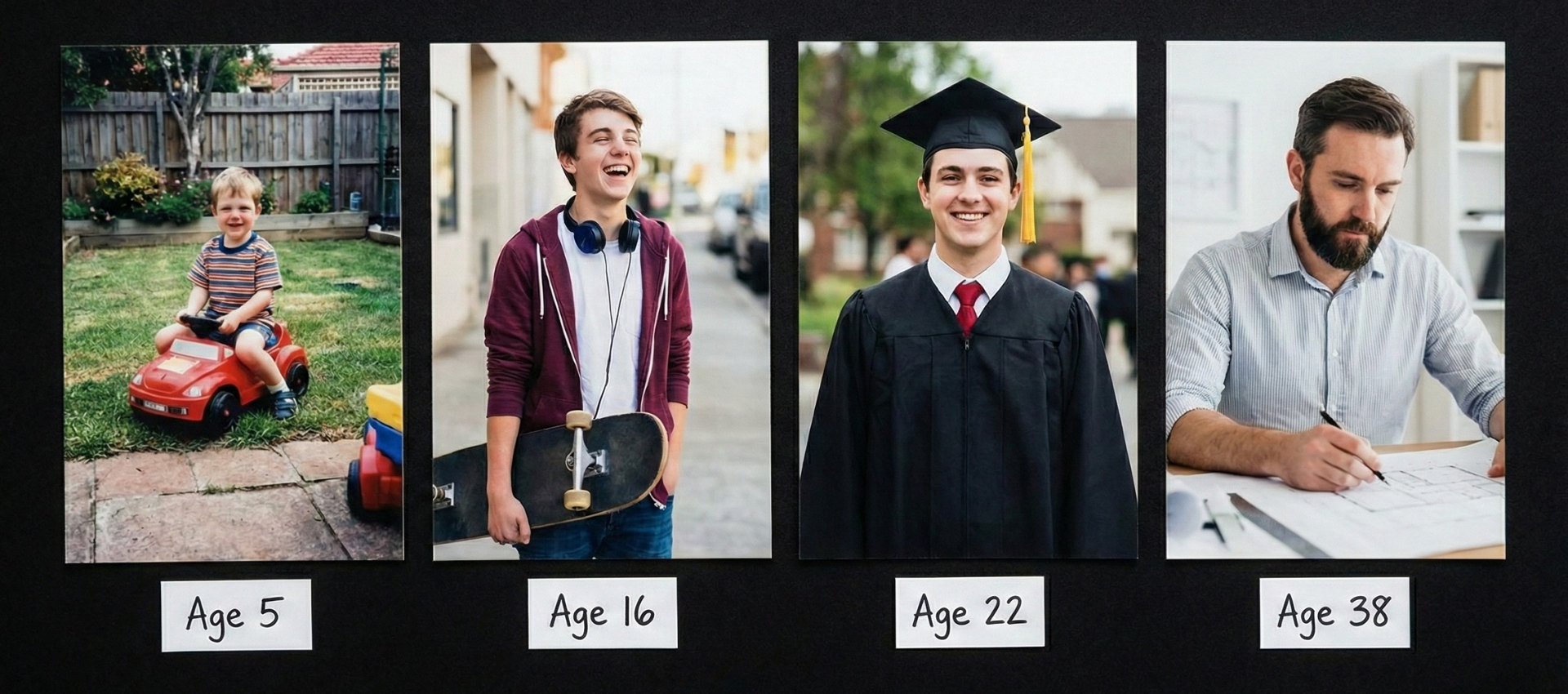
The landmark National Longitudinal Study of Adolescent to Adult Health tracked over 7,000 families, beginning when children were in middle school and following them into their 30s and 40s. This naturalistic study, which tracked subjects in real time rather than relying on recalled memories, used multiple assessment tools to measure both parenting quality and adult social outcomes.
What Makes This Study Groundbreaking:
- 7,018 participants tracked from middle school through ages 30-40
- Real-time tracking rather than relying on memory recall
- Six social connection metrics measuring friendships, social frequency, relationship satisfaction
- Controlled variables including race, gender, parental education levels
- Family connection scores based on understanding, fun together, feeling cared for and wanted
- Published in JAMA Pediatrics with decades of longitudinal data
What makes this research particularly valuable is its longitudinal design, allowing scientists to observe cause and effect relationships rather than just correlations. "Two decades of information gives us a greater sense of the truth," said Dr. David Willis, a professor of pediatrics at Georgetown University. "Two decades of information is compelling. It's a big deal."
The study defined "strong parenting" through several measurable dimensions that go beyond simple love and care. These elements work together to create an environment where teen social development flourishes, setting the foundation for lifelong connection skills.
The Four Pillars of Connection-Building Parenting
Parenting to Prevent Adult Loneliness
Fosters secure attachment and emotional regulation.
Fosters secure attachment and emotional regulation.
Encourages social skills development and empathy.
Encourages social skills development and empathy.
Builds resilience for navigating social challenges.
Builds resilience for navigating social challenges.
Promotes independence and healthy relationship choices.
Promotes independence and healthy relationship choices.
The research identified four key parenting characteristics that consistently predicted lower adult loneliness. These aren't abstract concepts but specific, observable behaviors that parents can develop and practice.
1. Emotional Availability and Responsiveness
Parents who were consistently emotionally available during their children's teenage years raised adults who were significantly better at recognizing and responding to others' emotional needs. This emotional intelligence became a crucial factor in forming and maintaining adult friendships and romantic relationships.
Practical Applications:
- Regular one-on-one conversations without distractions
- Validating emotions even when disagreeing with behaviors
- Demonstrating curiosity about their teenager's inner world
- Offering comfort during difficult emotional experiences
2. Balanced Structure with Autonomy Support
The most successful parents in preventing adult loneliness maintained clear boundaries while gradually increasing their teenager's decision-making responsibility. This approach helped young people develop the confidence and social skills necessary for independent relationship building.
Teenagers whose parents balanced structure with increasing autonomy showed 40% lower rates of social anxiety in their twenties compared to those with either overly permissive or overly controlling parents.
3. Modeling Healthy Relationships
Parents who demonstrated healthy communication, conflict resolution, and emotional regulation in their own relationships raised children who replicated these patterns in their adult connections. The parent-child relationship impact extended far beyond the family, influencing how young adults approached friendships, romantic partnerships, and workplace relationships.
4. Encouraging Social Exploration
Families that actively supported their teenagers' social interests and activities, even when inconvenient, produced adults with stronger social networks. This wasn't about forcing social interaction but rather removing barriers and providing opportunities for connection.
Build Connection-Focused Parenting Skills
Level Up's proven frameworks help parents develop the emotional availability and consistency that prevent adult loneliness. Learn practical strategies you can implement starting today.
Start Your Free TrialThe Science Behind Long-Term Social Success

In an era of social media and reduced in-person connection (so severe that the surgeon general in 2023 declared a "loneliness epidemic") epidemiologists are paying closer attention to the role of isolation in health outcomes, whether anxiety, cardiovascular disease or early mortality. Some medical providers have also shifted their approach accordingly.
Understanding how strong parenting prevents adult loneliness requires looking at the developmental pathways established during adolescence. The teenage brain undergoes massive changes in areas responsible for social cognition, emotional regulation, and relationship formation.
During this critical period, consistent positive parenting literally shapes neural pathways that will influence social behavior for decades. Teens who experience secure, responsive relationships with their parents develop internal working models of relationships that expect connection, trust, and mutual support.
How Family Connection Translates to Adult Social Success:
While the JAMA Pediatrics research did not examine the exact mechanisms at play, experts believe that parents who set a healthy relational tone were modeling skills and habits that their children could adopt and apply later on. When teens feel understood, valued, and secure at home, they learn to create those same dynamics in friendships and romantic relationships throughout their lives.
| Family Connection Level (Teenage Years) | Key Characteristics | High Social Connection in Adulthood (%) |
|---|---|---|
| Lowest Quartile | Minimal family understanding, limited quality time, feeling less cared for | 16.1% |
| Second Quartile | Below-average family connection, some emotional support | 22.0% |
| Third Quartile | Above-average family connection, moderate understanding and fun | 28.6% |
| Highest Quartile | Strong family bonds, high understanding, regular quality time, feeling deeply valued | 39.5% |
The magnitude of the association was consistent across all six metrics used to measure adult social well-being, including having three or more close friends and socializing at least once a week. The 23.4 percentage point difference between the highest and lowest quartiles represents a more than doubling of the likelihood of achieving high social connection in adulthood.
Practical Strategies for Raising Socially Successful Kids
Translating research findings into daily parenting practice requires specific, actionable approaches. Dr. Robert C. Whitaker, lead author of the JAMA Pediatrics study, has sought to invert the traditional medical approach by helping families understand what they can be doing, rather than what they should avoid. "We don't really set up studies to ask those kinds of questions," he said. "We're always trying to look for and mitigate risk, and that's fine, but it doesn't necessarily lead to a full understanding of why people flourish."
The study participants whose parents implemented these connection-building strategies showed the strongest outcomes in adult social connection.
Daily Connection Rituals
Successful families established consistent opportunities for meaningful interaction. These didn't require large time investments but did demand intentional presence and attention.
Connection Rituals That Work:
- Device-free meal conversations focused on experiences rather than logistics
- Regular car ride discussions without music or distractions
- Weekly one-on-one activities chosen by the teenager
- Bedtime check-ins that go beyond surface-level topics
Teaching Emotional Literacy
Parents who actively helped their teenagers understand and articulate emotions raised adults with superior relationship skills. This emotional education became a protective factor against the isolation that often accompanies emotional struggles.
Many parents today experience their own emotional challenges, including depleted dad syndrome, which can impact their ability to provide consistent emotional support. Recognizing and addressing these patterns becomes crucial for long-term family well-being.
Gradual Independence Building
The most effective parents created structured opportunities for their teenagers to practice adult-level decision-making and social navigation. This preparation proved invaluable when young adults faced the social challenges of college, career, and independent living.
Independence-Building Practices:
- Allowing natural consequences for social decisions when safe
- Discussing social situations without immediately offering solutions
- Encouraging conflict resolution skills in peer relationships
- Supporting age-appropriate social risks and challenges
Master the Skills That Prevent Adult Loneliness
Level Up teaches you how to build emotional availability, establish connection rituals, and support healthy teen development, even when you're exhausted or overwhelmed.
Get Your Game PlanOvercoming Common Parenting Obstacles
The research acknowledged that implementing connection-building parenting strategies isn't always straightforward. Modern families face unique challenges that can interfere with the consistent presence and emotional availability that prevents adult loneliness.
Many parents struggle with their own social isolation and emotional exhaustion, particularly during the intensive years of raising teenagers. Understanding at what age parenting gets less exhausting can help families navigate these challenging periods while maintaining focus on long-term relationship building.
Working with Technology Challenges
The study found that families who successfully maintained connection despite technology challenges established clear boundaries around device use while also engaging with their teenagers' digital worlds. This balanced approach prevented technology from becoming a barrier to teen social development.
Managing Time Pressures
Busy families in the study who still achieved strong outcomes prioritized quality over quantity in their interactions. Brief but consistent moments of genuine connection proved more valuable than occasional lengthy conversations.
Supporting Introverted Teenagers
The research revealed that introverted teenagers benefited from modified approaches that respected their social energy levels while still building connection skills. These parents focused on depth rather than breadth in social relationships and supported their teenagers' preferred social styles.
When Professional Support Becomes Valuable
While strong parenting significantly reduces adult loneliness risk, the study also identified situations where additional support proved beneficial. Recognizing when professional guidance can enhance family connection efforts represents another aspect of effective parenting.
Signs Professional Support Might Help:
- Persistent family conflict lasting more than a few weeks
- Communication breakdowns that don't improve with effort
- Teenagers showing signs of social withdrawal or anxiety
- Significant stressors like divorce, financial difficulties, or mental health challenges
- Parental exhaustion that impairs emotional availability
Families dealing with significant stressors often benefited from professional support in maintaining the emotional availability and consistency that promotes teen social development. Early intervention during these challenging periods protected the long-term outcomes identified in the research.
The study's authors noted that pediatricians could help by supporting parents who did not grow up with strong relational models themselves. By helping parents feel safe and seen even during uncertain times, doctors can enable those parents to in turn offer that stability to their children.
The Ripple Effects of Connection-Focused Parenting
The 20-year study revealed that the benefits of strong parenting extended beyond preventing loneliness. Young adults who experienced connection-focused parenting during their teenage years also showed:
Additional Long-Term Benefits:
- Higher career satisfaction and workplace success
- Better physical health outcomes and healthier lifestyle choices
- Greater overall life satisfaction and well-being
- Stronger romantic relationships and lower divorce rates
- Better mental health and emotional resilience
These findings suggest that the investment parents make in building strong relationships during the challenging teenage years pays dividends across multiple areas of their children's adult lives. The social skills, emotional regulation abilities, and relationship confidence developed through strong parenting become foundational strengths that support success in various life domains.
Perhaps most encouraging for current parents, the research indicated that it's never too late to strengthen family connections. Even parents who recognized areas for improvement in their approach saw positive changes when they committed to more consistent emotional availability and connection-building practices.
The Generational Impact:
"Two decades later, many of those adolescents are now parents themselves," noted Dr. David Willis of Georgetown University. The hope is that there will be meaningful payoff for generations, as today's teens who experienced strong family connections will likely model those same patterns with their own children.
Frequently Asked Questions About Preventing Adult Loneliness
How early should parents start implementing connection-building strategies?
While the 20-year study focused on teenage years, the relationship patterns that prevent adult loneliness begin forming much earlier. Parents can start building emotional availability and secure attachment from infancy, with the teenage years representing a crucial period for solidifying these foundations. The key is consistency over time rather than perfection at any single stage.
Can single parents provide the same loneliness-prevention benefits as two-parent families?
The research found that family structure mattered less than the quality of emotional connection and support provided. Single parents who maintained consistent emotional availability and encouraged healthy social development achieved similar outcomes to two-parent families. The key factors were relationship quality and consistency rather than family composition.
What if my teenager seems to reject attempts at connection?
Teenage resistance to parental connection is normal and doesn't predict adult loneliness outcomes. The study showed that parents who maintained consistent availability without forcing interaction, while respecting their teenager's need for independence, eventually succeeded in maintaining strong relationships. Persistence and patience proved more valuable than immediate acceptance of connection attempts.
How can parents balance encouraging social connections while respecting their teenager's preferences?
The most successful parents in the study supported their teenagers' authentic social interests rather than imposing their own ideas about ideal friendships. This meant removing barriers to healthy social activities, providing opportunities without pressure, and helping teenagers navigate social challenges without taking over. The goal was empowerment rather than control.
Is it possible to repair the parent-child relationship if problems developed during the teenage years?
The research indicated that relationship repair is possible even into early adulthood, though earlier intervention typically produces stronger outcomes. Parents who acknowledged past difficulties, committed to consistent positive changes, and sought professional support when needed often succeeded in rebuilding connection with their adult children. The key was genuine effort and consistency over time.
What are the four pillars of connection-building parenting?
The four pillars are: 1) Emotional Availability and Responsiveness (being consistently emotionally present and validating feelings), 2) Balanced Structure with Autonomy Support (maintaining clear boundaries while gradually increasing decision-making responsibility), 3) Modeling Healthy Relationships (demonstrating positive communication and conflict resolution), and 4) Encouraging Social Exploration (actively supporting teenagers' social interests and activities).
Can strong parenting completely prevent adult loneliness?
While strong parenting significantly reduces the risk of adult loneliness, it doesn't provide absolute prevention. The 20-year study showed that connection-focused parenting during teenage years substantially lowered loneliness rates, but individual circumstances, life events, and other factors also play roles. Strong parenting provides protective factors and foundational social skills that help young adults navigate challenges and build meaningful relationships.
What if I didn't parent this way when my kids were teenagers? Is it too late?
The research indicated that it's never too late to strengthen family connections. Even parents who recognized areas for improvement saw positive changes when they committed to more consistent emotional availability and connection-building practices. Relationship repair is possible even into early adulthood, though earlier intervention typically produces stronger outcomes. Genuine effort and consistency matter more than past mistakes.
How much time do daily connection rituals require?
Connection rituals don't require large time investments but do demand intentional presence and attention. The study found that brief but consistent moments of genuine connection proved more valuable than occasional lengthy conversations. Examples include device-free meals (15-20 minutes), car ride discussions (10-15 minutes), weekly one-on-one activities (30-60 minutes), and bedtime check-ins (5-10 minutes). Quality matters far more than quantity.
The information in this article is for general education only and is not a substitute for personalized mental health or parenting advice. Always consult with qualified professionals when making decisions about family well-being and development.
Raise Socially Successful, Connected Adults
The parenting choices you make today shape your child's social success for decades.
Level Up equips you with the proven frameworks for building emotional availability, establishing connection rituals, and supporting healthy teen development. From daily check-ins to emotional literacy teaching, you'll master the skills that prevent adult loneliness and create lifelong social success. These research-backed practices work even when you're exhausted or overwhelmed.
Join thousands of parents raising socially successful, emotionally connected kids